Blog · Part of the Money and Tax guide
National Insurance for OnlyFans Creators: What You Owe
What National Insurance you owe as a UK OnlyFans creator: Class 4 as a sole trader, voluntary Class 2, what Ltd directors pay and the State Pension link.
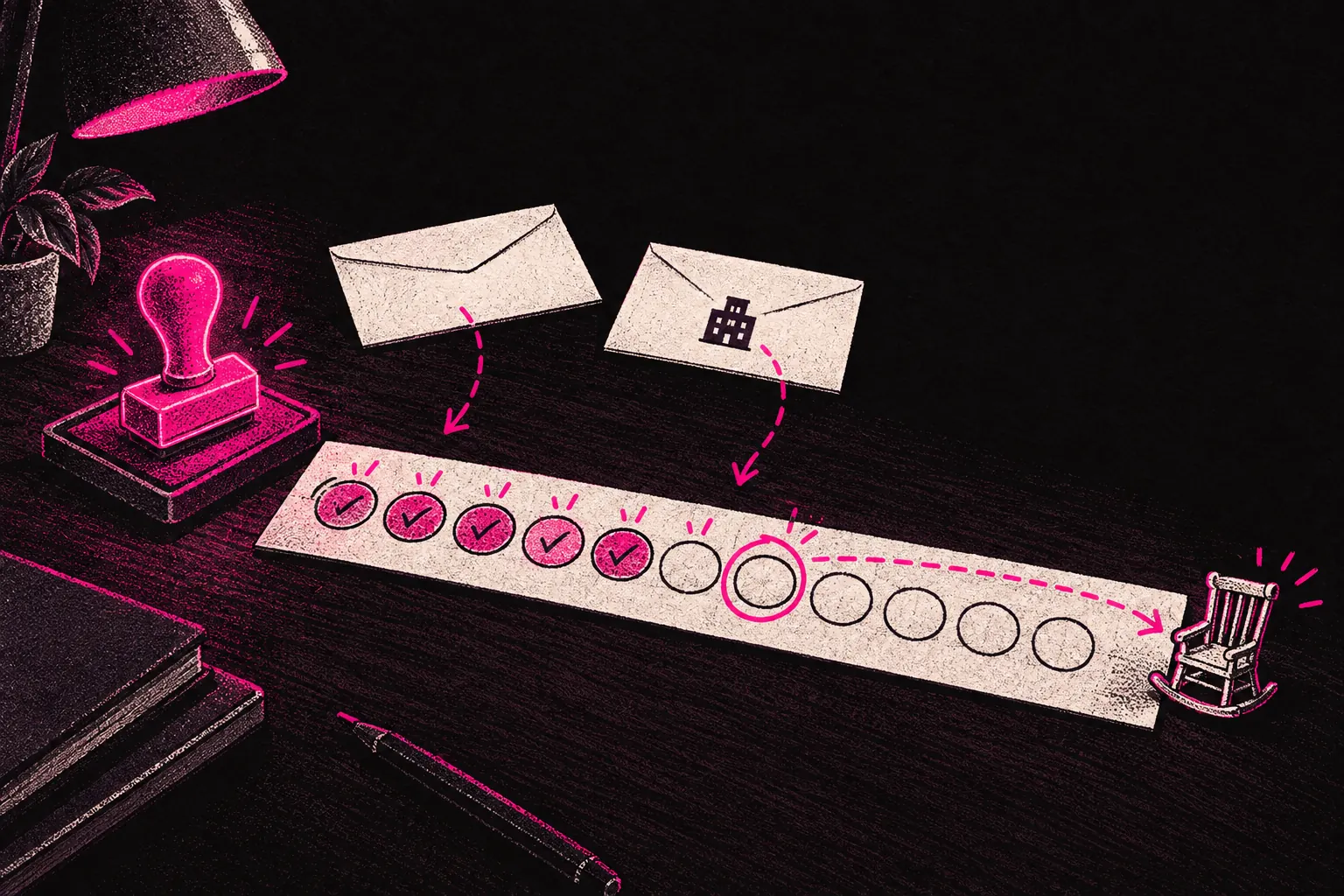
If you’re a UK OnlyFans creator, you’ll usually owe National Insurance on your profits as well as Income Tax. Sole traders pay Class 4 through Self Assessment, and Ltd company directors pay Class 1 on their salary but none on dividends. It’s a separate system from Income Tax, with its own rates and thresholds, and it decides how much State Pension you’ll get later on.
That makes it worth getting right. Mistakes can mean penalties now and a smaller pension later. This page explains how National Insurance works for sole traders and for creators who run a limited company.
This isn’t financial advice. Tax rules change, and everyone’s situation is different. Speak to a qualified accountant before you make decisions about your tax.
What National Insurance actually is
National Insurance contributions (NICs) are payments to the government that build your right to certain state benefits. The big one is the State Pension. They also count towards Maternity Allowance and contribution-based Jobseeker’s Allowance.
Income Tax has nothing to do with your benefits record. NI does. If you don’t pay enough over your working life, you could get a reduced State Pension or none at all. So don’t think of NI purely as a cost to push as low as it’ll go.
NI classes that apply to creators
There are several classes of National Insurance, but only a few of them matter to you as a creator.
Class 2: no longer compulsory
Since 6 April 2024, no self-employed person has to pay Class 2. If your profits are at or above the small profits threshold (£6,845 for 2025/26, £7,105 for 2026/27), you get a National Insurance credit for the year without paying anything. That year still counts as a qualifying year towards your State Pension.
If your profits are below the threshold, you can choose to pay Class 2 voluntarily to protect your record. The voluntary rate is £3.50 a week for 2025/26 (about £182 a year) and £3.65 a week for 2026/27. You pay it through your Self Assessment tax return. Rates checked against GOV.UK on 16 September 2026.
Class 4: the percentage-based contribution
Class 4 is the bigger NI cost for self-employed creators. It’s worked out as a percentage of your yearly profits:
- 6% on profits between £12,570 and £50,270
- 2% on profits above £50,270
Those thresholds line up with the Income Tax Personal Allowance and the point where higher rate tax starts, so the sums are fairly simple.
Say your profit for the year is £40,000. You’d pay 6% on £27,430 (the slice between £12,570 and £40,000), which gives you a Class 4 bill of £1,645.80 for the year.
Class 4 goes through Self Assessment, the same as voluntary Class 2, and you pay it with your Income Tax by the 31 January deadline. There’s no separate registration or payment for self-employed NI. Our Self Assessment guide walks through the whole filing process.
NI for Ltd company directors
If you run your creator income through a limited company, NI works very differently.
Class 1 on your salary
As a director, you’re an employee of your own company. When you pay yourself a salary through PAYE, Class 1 National Insurance applies:
- Employee NI: 8% on earnings between £12,570 and £50,270, and 2% above that
- Employer NI: your company pays this on earnings above £5,000. The Employment Allowance of £10,500 can cover some of it, but you can’t claim the allowance if you’re the only employee paid above £5,000. Check the current employer rate on GOV.UK.
No NI on dividends
The big difference for directors is that dividends aren’t subject to National Insurance at all. If you pay yourself a modest salary and take the rest as dividends, your NI bill can be far lower than a sole trader’s on the same profits. Corporation Tax and dividend tax still apply, though, so the overall saving is smaller than the NI gap alone suggests. For a worked example, see our dividend tax guide. For a wider comparison, read sole trader vs Ltd company.
The salary threshold strategy
A lot of Ltd company directors choose a salary level that balances two goals: keeping NI low and still building their NI record.
A common approach for 2025/26 is a salary of about £12,570 a year (the Personal Allowance). At that level you pay no Income Tax on the salary, employee NI is nil or close to it, and the year counts towards your State Pension. Your company pays employer NI on the part above £5,000, unless the Employment Allowance covers it.
The idea is to pay just enough salary to keep your NI record going and use your Personal Allowance, without running up NI you don’t need to pay. Everything else comes out as dividends. Agree the exact salary with your accountant at the start of each tax year, especially if you’re the company’s only employee.
Voluntary contributions to fill gaps
If there are years when you didn’t pay enough NI, you may have gaps in your record that cut your State Pension. You can fill them with voluntary Class 3 contributions. The weekly Class 3 rate changes each April, so check the current rate on GOV.UK. You can usually fill gaps going back up to six years.
If you were self-employed in a gap year with profits below the small profits threshold, ask whether voluntary Class 2 covers it instead. At the rates above, it costs far less.
Before you pay anything, check your NI record online through the HMRC website. You may already have enough qualifying years.
The State Pension and qualifying years
You need 35 qualifying years of National Insurance for the full new State Pension, and at least 10 qualifying years to get any State Pension at all.
If you’re self-employed, profits at or above the small profits threshold make the year a qualifying one without you paying Class 2. Below the threshold, voluntary Class 2 does the same job. If you’re a company director, a PAYE salary above the lower earnings limit gives you a qualifying year.
Whether you reach 35 years depends on how long you work and whether you keep your record going through the quieter years. You can see how many qualifying years you have by logging in to your personal tax account on the HMRC website.
Common questions
Do I pay NI on all my OnlyFans income?
No. As a sole trader, you only pay Class 4 on profits above £12,570. Anything below that isn’t subject to Class 4. Class 2 no longer has to be paid: profits at or above the small profits threshold (£6,845 for 2025/26) get a Class 2 credit for free, and below it you can pay voluntarily.
What if I also have a regular job?
You pay Class 1 NI on your wages through your employer’s payroll. Class 4 (plus any voluntary Class 2) goes through Self Assessment on your self-employed profits. If your combined contributions go over the annual maximum, you can apply for a refund.
Can I reduce my NI bill?
As a sole trader, not really. The rates and thresholds are fixed. The main thing you can do is claim every allowable business expense. That lowers your taxable profit, and your NI bill comes down with it.
As a Ltd company director, you’ve got more room to plan through salary and dividends. Our Ltd company guide explains how that works.
Getting it right
Every year you pay National Insurance, or get a credit for it, counts towards your State Pension. If you know what you owe and how your business structure changes the amount, you can keep this year’s bill down without leaving gaps in your record.
For how NI fits into the rest of your tax, see our complete UK tax guide. To estimate your total bill including NI, try our tax calculator or earnings calculator. And if you’d like a team to run chat, posting and promotion on your page, find out how we work or apply to work with us.
This article is for general information only and isn’t financial advice. Tax rules and rates can change. Speak to a qualified accountant about your own circumstances.