Blog · Part of the Safety and Privacy guide
How to File a DMCA Takedown for Leaked OnlyFans Content
How to file a DMCA takedown for leaked OnlyFans content: what the notice needs, where to send it on Google, social media and tube sites, and following up.
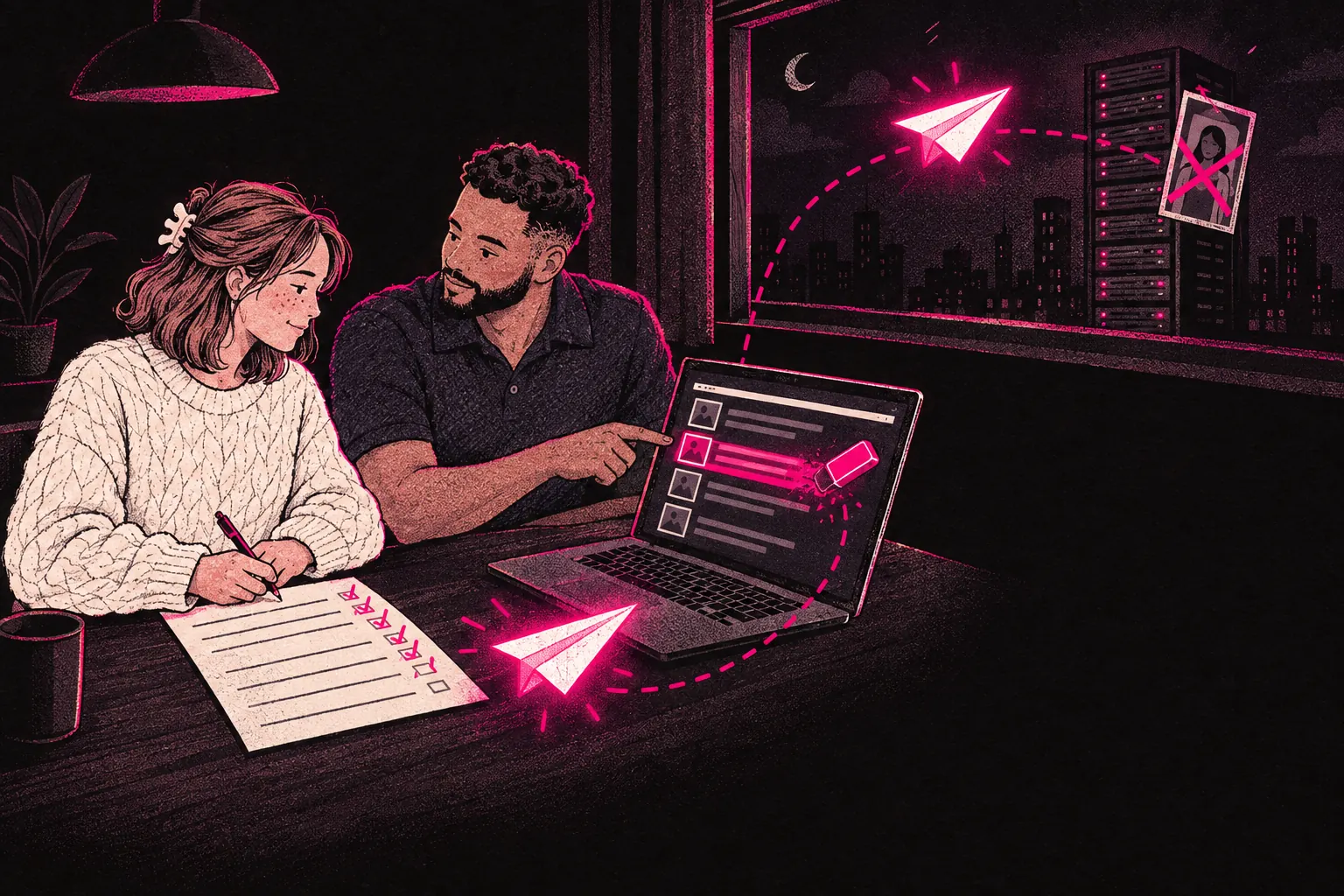
If your OnlyFans content has leaked, a DMCA takedown notice is the main way to get it removed. You send it to the site or the company hosting it, and you can ask Google to drop the pages from its search results as well.
Finding your content shared without permission is horrible. You put time and effort into making it, and seeing it posted somewhere else can feel like a violation. But you’ve got legal tools to fight back, and the DMCA notice is the main one.
What is the DMCA?
The Digital Millennium Copyright Act (DMCA) is a US law that protects copyright holders from having their work shared without permission. It’s American, but many major platforms and hosting providers around the world follow it, because they’re either based in the US or use DMCA procedures to keep their safe harbour protection.
As an OnlyFans creator, you’ll usually own the copyright in the content you make. You don’t have to register it anywhere. The moment you create a photo, video or written post, it’s yours. If someone else shoots for you, the copyright may be theirs, so get a written agreement signed by them that transfers it to you. So if you own the copyright and someone shares your content without your consent, they’re generally infringing it, and you can demand its removal.
How a DMCA takedown works
In principle it’s simple. You send a formal notice to the platform or hosting provider where your content has been shared illegally. The notice tells them which content is yours and where the infringing copy is. Once they’ve got a valid notice, they need to remove the content or they risk losing their safe harbour protection.
How fast they act varies a lot from one site to another.
Step-by-step guide to filing a DMCA takedown
1. Document the infringement
Before you do anything else, gather evidence. Screenshot the infringing content with the URL visible, and note the date you found it and any usernames linked to the upload. If you can, screen-record the page so you’ve captured it in full.
That record does two jobs. It proves the content was there if you need to escalate later, and it helps you fill in the takedown form accurately.
A few tips for documenting it:
- Screenshot the whole page, including everything around the content
- Copy the exact URL from the address bar
- Note the date and time you found it
- Save any usernames, profile links or account details of the person who uploaded it
- Keep everything in one folder, organised by date
2. Confirm you own the content
It sounds obvious, but platforms do ask. You need to own the copyright, or be authorised to act for whoever does. If you work with a management agency, they may be able to file on your behalf with your written permission.
3. Identify the correct reporting channel
Most platforms have their own DMCA process. Some have simple online forms. Others want an email sent to a specific address. Use the platform’s official copyright channel, because the general “report post” button usually goes somewhere else.
4. Submit your notice
A valid DMCA takedown notice has to include:
- Your full legal name and contact details
- A description of the copyrighted work (your original content)
- The exact URL where the infringing content appears
- A statement that you believe in good faith the use isn’t authorised
- A statement, under penalty of perjury, that the information in your notice is accurate
- Your physical or electronic signature
Most platforms give you a form that walks you through this, so you won’t usually need to write the notice from scratch.
5. Follow up
If you’ve heard nothing after about a week, follow up. Some platforms have backlogs, and a polite nudge can get things moving. Keep a record of everything you send and receive.
Filing on common platforms
Google Search
If your leaked content shows up in Google results, send a copyright request through Google’s legal removal tool. Go to the “Remove content from Google” page and pick the copyright option. You’ll need the URLs of the pages showing your content, plus a link to where the original is posted.
Google won’t remove the content from the site hosting it, but if it accepts your request, it will drop those links from its search results. That makes the leak harder to find.
Social media platforms
Most social media sites have their own copyright reporting forms:
- Twitter/X: use the copyright reporting form in the Help Centre
- Instagram: report through the in-app intellectual property form or the online form
- Reddit: submit through the copyright complaint page at reddit.com/report
- Telegram: email dmca@telegram.org with your notice
Each one asks for slightly different things, but the core information stays the same.
Tube sites and file-sharing platforms
Leaked content often ends up on these sites. Plenty of hosting platforms do act on DMCA notices, even when their moderation is otherwise lax. Look for a “DMCA” or “Copyright” link in the site’s footer. If there isn’t one, search for “[site name] DMCA” to find their reporting email or form.
If a site doesn’t respond or refuses to comply, go over its head and contact its hosting provider directly.
OnlyFans’ built-in DMCA tools
OnlyFans has its own copyright and DMCA processes, and it has offered creators help with getting leaked content removed. What’s on offer, and where it sits in your settings, can change, so check your account and OnlyFans’ help pages for the current options.
To look for them:
- Open your OnlyFans settings
- Go to the privacy, safety or security section
- Look for content protection or DMCA options
- If they’re there, follow the prompts to set up monitoring or ask for help
Treat these tools as a starting point. They may not catch everything, especially on smaller or less mainstream sites.
Third-party DMCA monitoring services
If your content leaks regularly, or you’d like to get ahead of leaks instead of reacting to them, some third-party services specialise in content protection for adult creators. They scan the internet for your content, and some file takedown notices automatically when they find a match.
Popular options include Branditscan, Rulta and DMCA.com. They usually charge a monthly fee. Whether that’s worth paying depends on how much of your time leaks are eating up, and whether they’re hurting subscriber retention on your page.
When you compare services, check:
- How often they scan (daily is ideal)
- Which platforms and sites they cover
- Whether they handle the whole takedown process or just alert you
- Their success rate and average removal time
- Whether the pricing is clear, with no hidden fees
Tips for ongoing protection
Takedowns matter, but so do prevention and catching leaks early. These habits help:
Watermark your content. Visible or invisible watermarks make it easier to prove ownership, and they can put people off casual sharing. Invisible watermarks don’t change what viewers see, but they can be detected if there’s a dispute.
Set up Google Alerts. Create alerts for your creator name, stage name and anything else linked to your content. Google will email you when new results matching those terms show up in its search.
Monitor regularly. Set aside time each week for a quick search. Start with the obvious places: Google Images (reverse image search), the common tube sites and leak forums.
Keep your original files. Store your raw, unedited files with their original metadata intact. That metadata (creation date, device details, file properties) is useful evidence of ownership if there’s ever a dispute.
Use platform security features. Turn on two-factor authentication, restrict screenshots where the platform lets you, and review your privacy settings regularly.
How a management agency helps with content protection
Chasing leaks takes time and wears you down, and the hours you spend searching and filing come out of the time you’d otherwise spend creating.
Some management agencies take this work on, from monitoring for leaks to filing takedowns and chasing platforms that don’t respond. If that matters to you, ask any agency exactly what content protection they include before you sign, and get the answer in writing.
At TalentGrow, the team needs access to your account to run chat, posting and promotion. You keep full control: the account stays in your name, payouts go to your bank, and you can change the password and end our access at any time. We invoice after you’ve been paid, and it’s month-to-month with no lock-in. There’s a video call before you sign, so that’s a good time to ask what we’d do about leaks.
You can find out more on our how it works page, or apply to see if we’re a good fit.
Related resources
If you’re dealing with leaks or copyright problems, these posts may help too:
- Understanding OnlyFans content leaks and how to respond
- Copyright protection strategies for OnlyFans creators
- Is OnlyFans safe? A guide to privacy and security
You can also use our free creator tools for help with pricing, earnings tracking and building your tip menu.
If you’ve just found a leak
If your content has leaked, there’s plenty you can do about it. The DMCA gives you a legal way to get your content removed, and good habits help you spot leaks early and act quickly.
Work through it in order. Document everything, use the right reporting channel and follow up when you need to. Then decide whether a monitoring service or an agency would save you time. Start with the screenshots, before the page moves or disappears.