Blog
How to Handle Difficult Fans on OnlyFans: Restrict or Block
How to handle difficult fans on OnlyFans: set boundaries early, use a three-strike approach, choose between restricting and blocking, and calm upset fans.
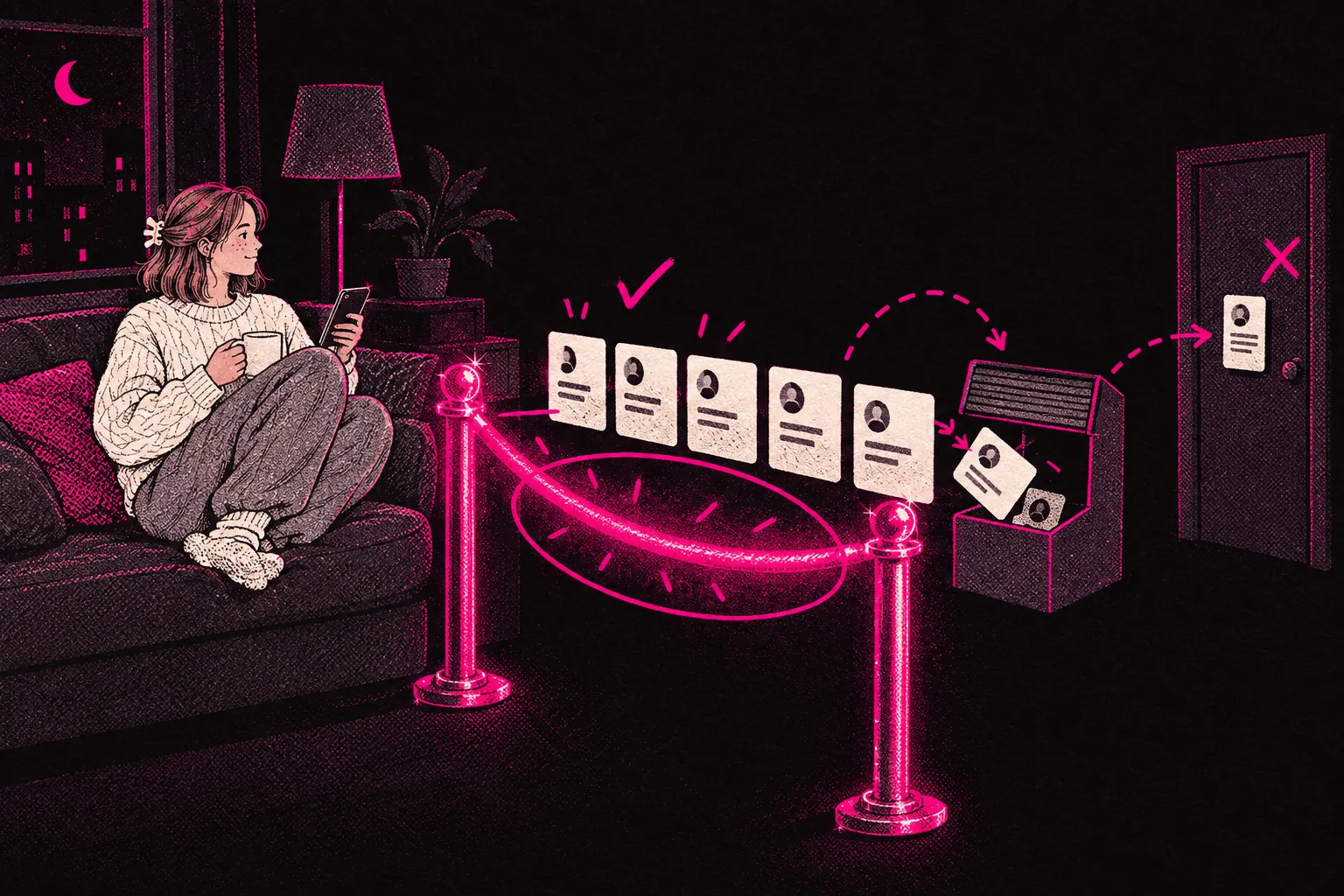
To handle a difficult fan on OnlyFans, state your boundary once, clearly, then act if they keep pushing. Restrict fans who are a nuisance in your DMs but not abusive. Block anyone who’s abusive, threatening or makes you feel unsafe.
Not every subscriber will be easy. Plenty of fans are respectful and supportive, and a real pleasure to talk to. But sooner or later you’ll meet someone who crosses a line, wastes your time or makes you uncomfortable. Knowing how to deal with that is part of running a page you can keep going for years.
Types of difficult fans
If you can spot which kind of difficult fan you’re dealing with, you can respond with a plan instead of reacting in the heat of the moment.
The demander
This fan thinks their subscription buys them unlimited attention. They send message after message, expect instant replies and take any delay personally.
The haggler
Everything’s too expensive. They want customs at half price and try to bargain over everything, often acting as if they’re doing you a favour.
The boundary pusher
They ask for content you don’t offer, then keep asking. They test how firm you are, starting with reasonable requests and pushing a little further each time.
The disrespectful fan
Rude, aggressive or openly abusive. They make inappropriate comments, insult your content, or talk to you in ways nobody should put up with.
The time waster
This fan will chat for hours but never buys anything beyond the subscription. They ask detailed questions about customs, never order one, and eat up a huge amount of your time.
Setting boundaries before problems start
Start before anything goes wrong. Set your boundaries early and stick to them, and fewer problems should reach your inbox.
Define your limits clearly
You can’t hold a boundary until you know what it is. Decide what content you will and won’t make, how quickly you’ll reply, what you charge, and what behaviour you won’t put up with. Write it all down. Rules you’ve already decided are far easier to stick to than decisions made mid-argument.
Communicate boundaries proactively
Put your main boundaries where fans will see them. A pinned post, a line in your bio or a note in your welcome message sets the tone, and it can put off some of the people who’d otherwise cause problems.
How to enforce boundaries in practice
Holding a boundary when someone pushes back is the hard bit.
Stay calm and direct
When a fan crosses a line, be firm without being aggressive. Getting pulled into an argument never helps. A short, clear statement usually works best.
For a boundary pusher: “I don’t offer that, and I won’t be changing my mind. This is what I do offer, if you’re interested.”
For a haggler: “My prices are on my menu and they’re not up for negotiation. I’m happy to help you find something in your budget.”
For a rude fan: “I don’t accept that kind of language. If it carries on, I’ll restrict your access.”
You don’t owe anyone a long explanation. You don’t have to justify your limits or argue about whether they’re reasonable. Keep each statement short.
Use the three-strike approach
For fans who keep pushing boundaries without being openly abusive, step up your response gradually:
- First time. Repeat your boundary clearly and politely. Give them the benefit of the doubt, because they may not have realised.
- Second time. Be firmer, and make it clear this is the last time you’ll say it. “I’ve already told you I don’t offer this. Please don’t ask again.”
- Third time. Act. Restrict or block them, depending on how bad it is.
This is for fans who aren’t abusive. Anyone threatening or abusive gets blocked straight away, as below.
When to restrict vs when to block
OnlyFans gives you two main tools for problem fans: restricting and blocking.
Restricting limits what a subscriber can do without removing them. They can’t message you, but they can still see your content if they’re subscribed. Use it for fans who are a problem in your DMs but not bad enough that you want them gone.
Blocking removes the fan completely. They lose access to your page and can’t resubscribe. It’s the right choice for fans who are abusive, harassing you or making you feel unsafe.
How to choose:
- Restrict if the fan is mildly annoying, too demanding in DMs, or has crossed a boundary once or twice without being aggressive.
- Block if the fan is abusive or threatening, keeps ignoring your boundaries after a warning, or makes you uncomfortable or unsafe.
- Block straight away if someone shares your content without permission, tries to find your personal information, or threatens you in any way.
Don’t feel guilty about blocking. It’s a normal part of running a page, and one bad fan can cost you more energy than they’ll ever pay you. You don’t owe a place on your page to someone who treats you badly.
Using lists to manage your fans
As your subscriber count grows, it gets harder to remember who’s who. Lists help you keep track.
Think about keeping notes on:
- VIP fans. Your biggest spenders, longest subscribers and most engaged supporters.
- Fans on warning. Anyone who’s crossed a boundary and been warned. If they do it again, you’ll know the background straight away.
- Blocked accounts. A record of who you’ve blocked and why helps if someone comes back on a new account.
A simple spreadsheet or a note on your phone is enough. You don’t need anything elaborate, just enough that you don’t lose track of patterns.
De-escalation techniques
Sometimes a fan is upset for a fair reason. A custom took too long, a message got missed, or they feel let down. In those cases, try to calm things down before you think about restricting or blocking.
- Acknowledge how they feel. “I understand you’re frustrated, and I’m sorry about the delay.” It costs you nothing and can take the heat out of things quickly.
- Don’t match their energy. Stay calm, professional and kind. Answering anger with anger only makes it worse.
- Offer a fix. “Let me make this right” shows you’re taking them seriously.
- Know the difference between frustration and abuse. A fan who’s disappointed about a late custom isn’t the same as a fan calling you names. De-escalation is for the first kind. Name-calling gets a warning, and threats get a block.
Protecting your mental health
Dealing with difficult people wears you down. If you don’t look after yourself, you risk burning out, and burnout can mean posting less, earning less, or walking away from the platform altogether.
Some things that help:
- Set working hours and stick to them. Turn notifications off when you’re done for the day.
- Don’t take abuse personally. A fair complaint is worth listening to. Insults aren’t.
- Talk to someone. A friend, another creator or a professional. Working alone makes it easy to bottle up things you should be talking about.
- Take breaks. Regular days off are part of the job.
- Remember the good ones. Look back at the kind messages you’ve had when a bad one gets to you.
If managing your fans feels like too much, working with a team that knows how to handle the day-to-day work of running a page can take a lot of that weight off you.
Knowing when enough is enough
If a fan makes you dread opening your messages, or their messages stay with you after you’ve logged off, that’s reason enough to act.
You don’t have to wait for something dramatic. A steady drip of low-level negativity is as good a reason to remove someone as one obvious offence. It’s your page, and you set the rules.
Spend your energy on the fans who treat you well.