Blog
Dealing with OnlyFans Stigma: How Creators Handle Judgment
How to handle OnlyFans stigma: where the judgment comes from, choosing who to tell, protecting your mental health and finding people who get it.
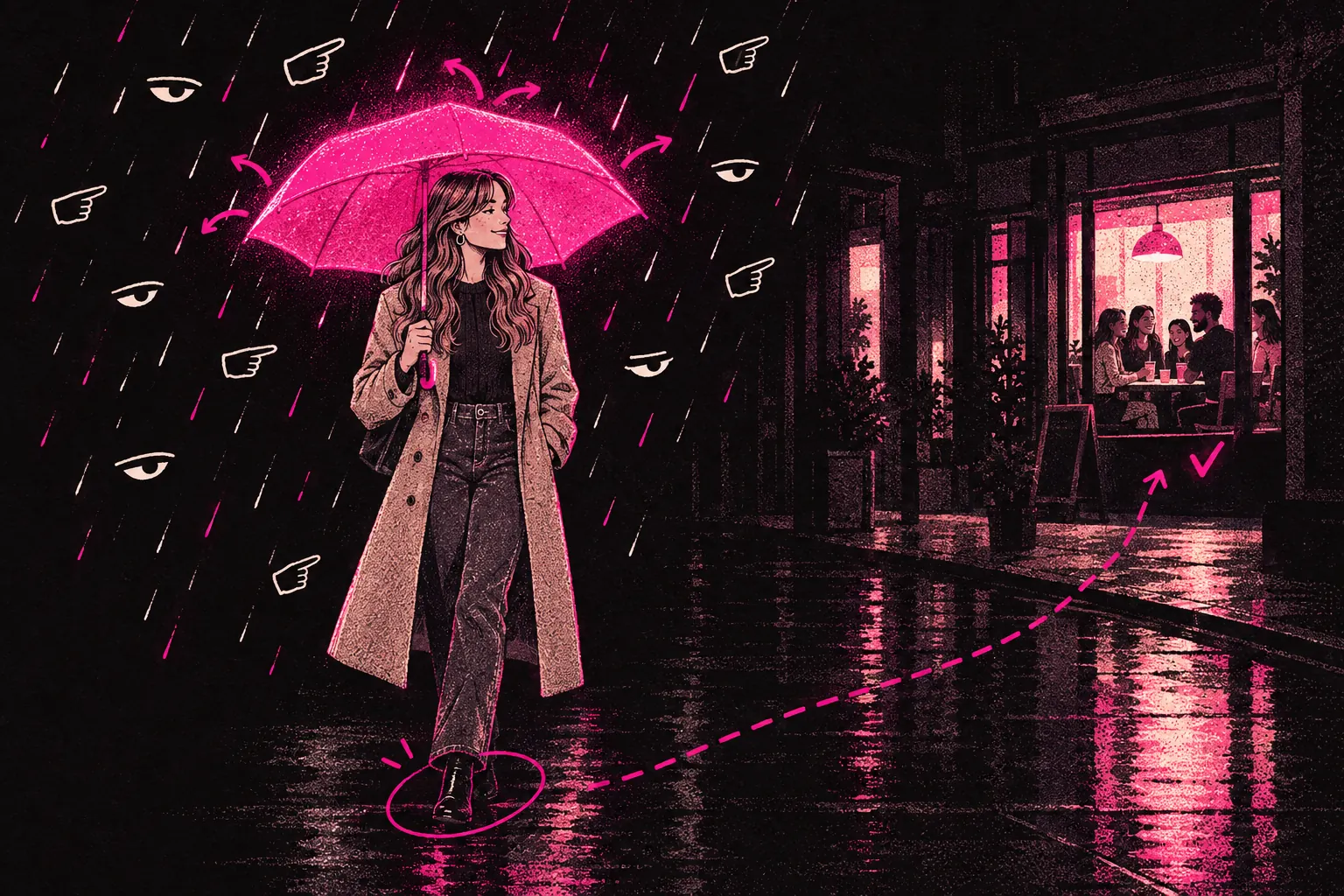
You handle OnlyFans stigma by being clear on why you do this work, choosing carefully who you tell, protecting your mental health, and spending time with people who get it. Other people’s judgment usually comes from their discomfort with something they don’t really understand, and it doesn’t measure your worth. If you’re a creator, you’ve probably met it already, from strangers online, from family, or from friends you expected to back you. Learning to deal with it helps you keep going in this work and stay well outside it.
Why Stigma Still Exists
The stigma around OnlyFans comes from deep-rooted attitudes about sex, bodies, and who’s allowed to make money from them. OnlyFans hosts fitness coaches, musicians and chefs, but most people still think of it as adult content only. That view comes loaded with:
- Old moral codes that treat sex work or sexual expression as shameful in itself
- Not understanding the platform, or what creators spend their days doing
- Sometimes, jealousy or insecurity about seeing someone earn money on their own terms
- Media stories that chase scandal over the everyday reality of running a content business
None of these reasons are about you. They come from the people holding those views and the culture that shaped them.
How Stigma Affects Creators
The effects aren’t always obvious. Sometimes stigma is a knot in your stomach when someone asks what you do for a living. Sometimes it’s tilting your phone screen away from people on the bus. Over time, those small moments of shame can build into something heavier.
Stigma can show up as:
- Worry about being “found out” by colleagues, family or people you know
- Doubt about whether your work is legitimate or worth anything
- Feeling cut off, because you’ve pulled away from people who might judge you
- Finding it hard to start new relationships when you don’t know how someone will react
- Burnout from carrying the weight of keeping a secret
If any of that sounds familiar, you’re not alone. Plenty of creators describe the same things, and there are practical ways to manage them.
Building Resilience Against Judgment
Resilience doesn’t mean going numb to criticism. It means having a sense of yourself that stays steady when someone disapproves of what you do. That takes time, but you can work on it on purpose.
Get clear on your reasons
If you made a thought-through decision to create content, remind yourself why. Financial independence, creative freedom, flexibility, being your own boss. Whatever your reasons are, owning them makes other people’s opinions less likely to knock you off balance.
Separate opinion from fact
Someone disapproving of your work doesn’t make your work wrong. People have opinions about everything, and you don’t have to take all of them on board.
Watch what you read
If certain social media spaces, comment sections or communities keep making you feel worse about yourself, spend less time there. You wouldn’t keep eating food that made you ill.
Keep a record of your wins
Save kind messages from subscribers, money milestones, and moments when you were proud of something you made. When doubt creeps in, you’ve got evidence against it. For more on keeping a strong story in your own head, our post on building a success mindset goes deeper.
Choosing Who to Tell
Deciding who knows about your work is one of the most personal choices you’ll make as a creator. There’s no single right answer, and you don’t owe anyone the information.
Some things to think about:
- You don’t have to tell anyone. Your work is your business, in every sense. If you want help keeping it private, our anonymity guide covers the practical side.
- Think about the relationship first. Before you tell someone, ask whether they’ve kept sensitive things to themselves before. How did they react when you or others made unconventional choices?
- Expect a range of reactions. Some people will be supportive, some curious, some uncomfortable. If you’ve got a calm, confident way to explain what you do, it’s easier to steer the conversation.
- You can pick and choose. Telling one friend doesn’t mean telling everyone. Different people in your life can know different things.
If you’re working out how to tell close friends or a partner, we have guides on telling friends about OnlyFans and managing OnlyFans alongside relationships.
Protecting Your Mental Health
Stigma affects your mental health as well as your social life. Carrying shame, keeping secrets, or living with the fear of being exposed can wear you down. Treat looking after your mental health as a basic part of the job.
Steps worth trying:
- Find a therapist who is sex-work-affirming. Not every therapist will be the right fit. Look for ones who say plainly that they work with people in the adult industry without judgment.
- Set working hours. Content creation can feel like it never switches off, which piles on stress. Clear start and stop times protect your headspace. Our burnout guide has more on keeping a schedule you can live with.
- Check in with yourself regularly. Ask yourself plainly: how do I feel about this work right now? If the answer keeps coming back negative, pay attention to that.
- Don’t let your creator identity take over your whole sense of self. You’re more than your content. Keep up the hobbies and friendships that have nothing to do with your page.
For more on mental health for creators, our full mental health guide is worth reading.
How Cultural Attitudes Are Changing
Attitudes are shifting. Public views on OnlyFans and independent content creation have moved a long way in recent years. Mainstream media now covers the money side of creator work seriously. Academics research the platform. Financial advisers talk about it openly.
Stigma hasn’t gone away. But:
- The conversation has more room for grey areas than it used to
- More people know a creator personally, which makes it feel less alien
- HMRC treats creator earnings like any other self-employed income, even if some banks and payment firms are still wary
Finding Your Community
One of the best things you can do about stigma is spend time with people who understand what you do. Shame tends to grow when you’re isolated, and it’s easier to put down around people who don’t judge you.
Look for:
- Online creator communities where people talk openly about the real challenges of the work
- Creator friends you trust and can message when you need someone who gets it
- Professional contacts, including management teams and agencies, who take your work seriously
- Mentors or more experienced creators who’ve dealt with stigma before and can tell you what helped
When the people around you treat your work as normal, outside judgment starts to matter less. If you’re also struggling with feeling “not good enough”, or wondering whether you belong here, our piece on imposter syndrome deals with that directly.
Moving Forward
You won’t deal with stigma once and be done with it. It comes and goes. Some days it won’t bother you at all, and other days it’ll feel heavy. Both are normal.
Have a few things ready for the heavy days: your list of reasons, a record of your wins, a couple of people you can message, and a therapist if you need one. Other people’s judgment doesn’t set the value of your work.
If you’d like help running your page while you protect your personal life, get in touch with TalentGrow. Faceless and body-only pages are welcome, and a person replies to applications within 24 hours.